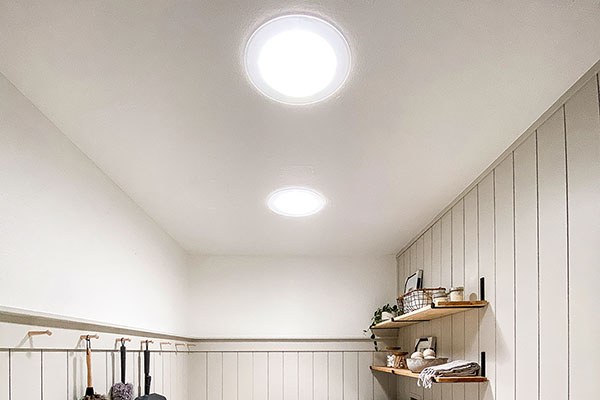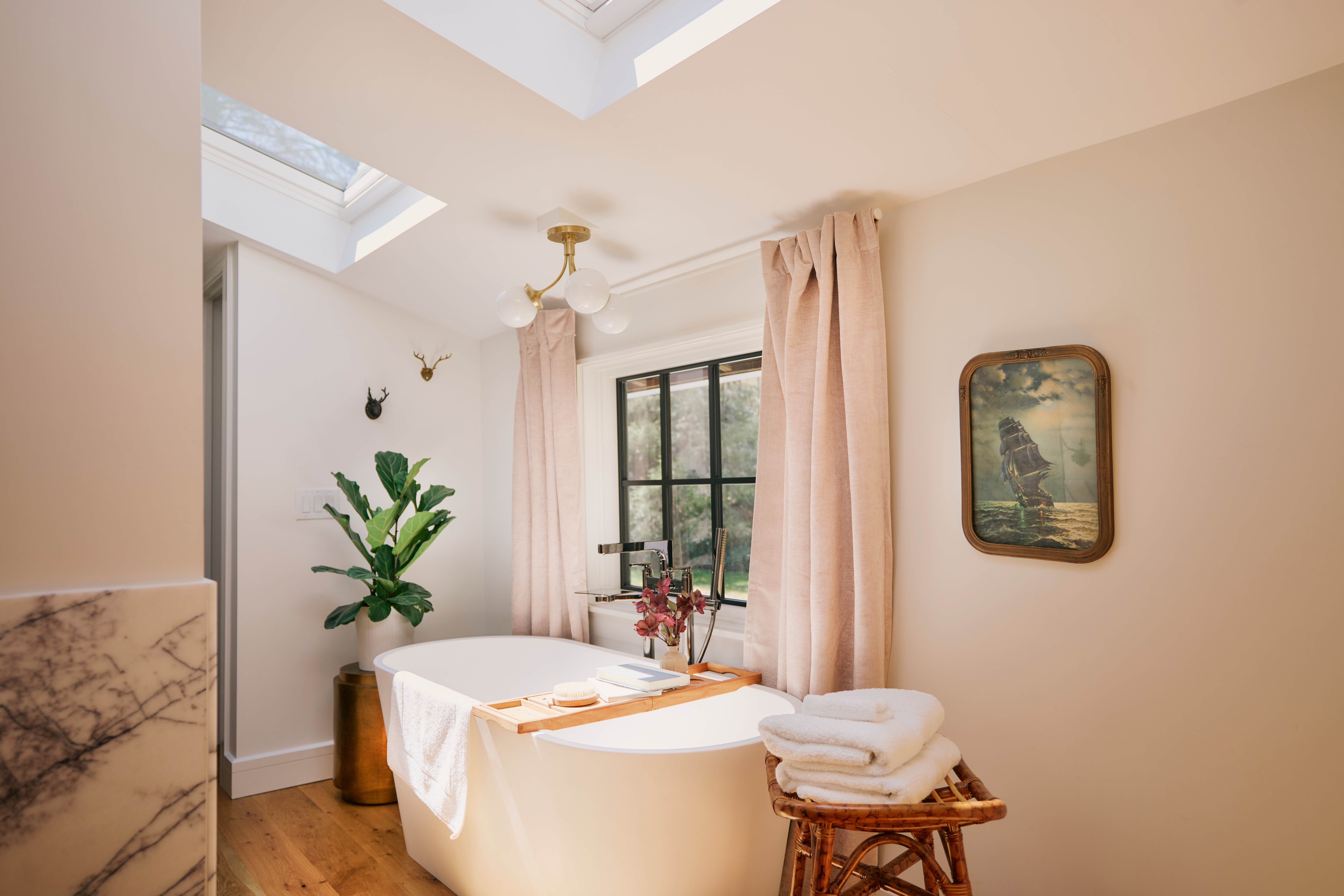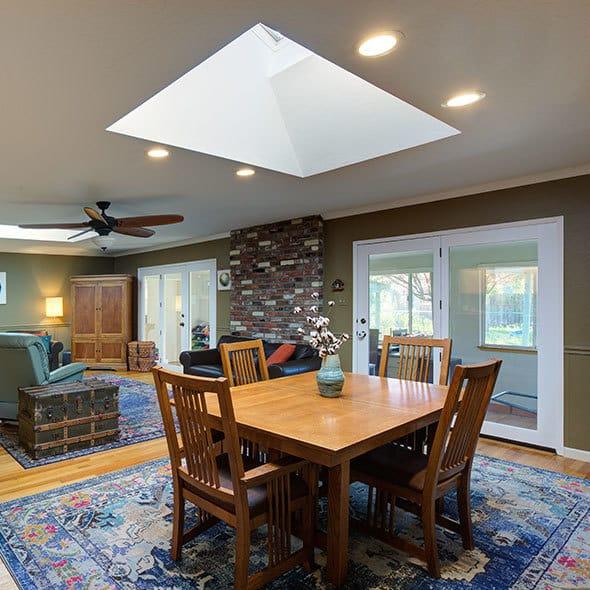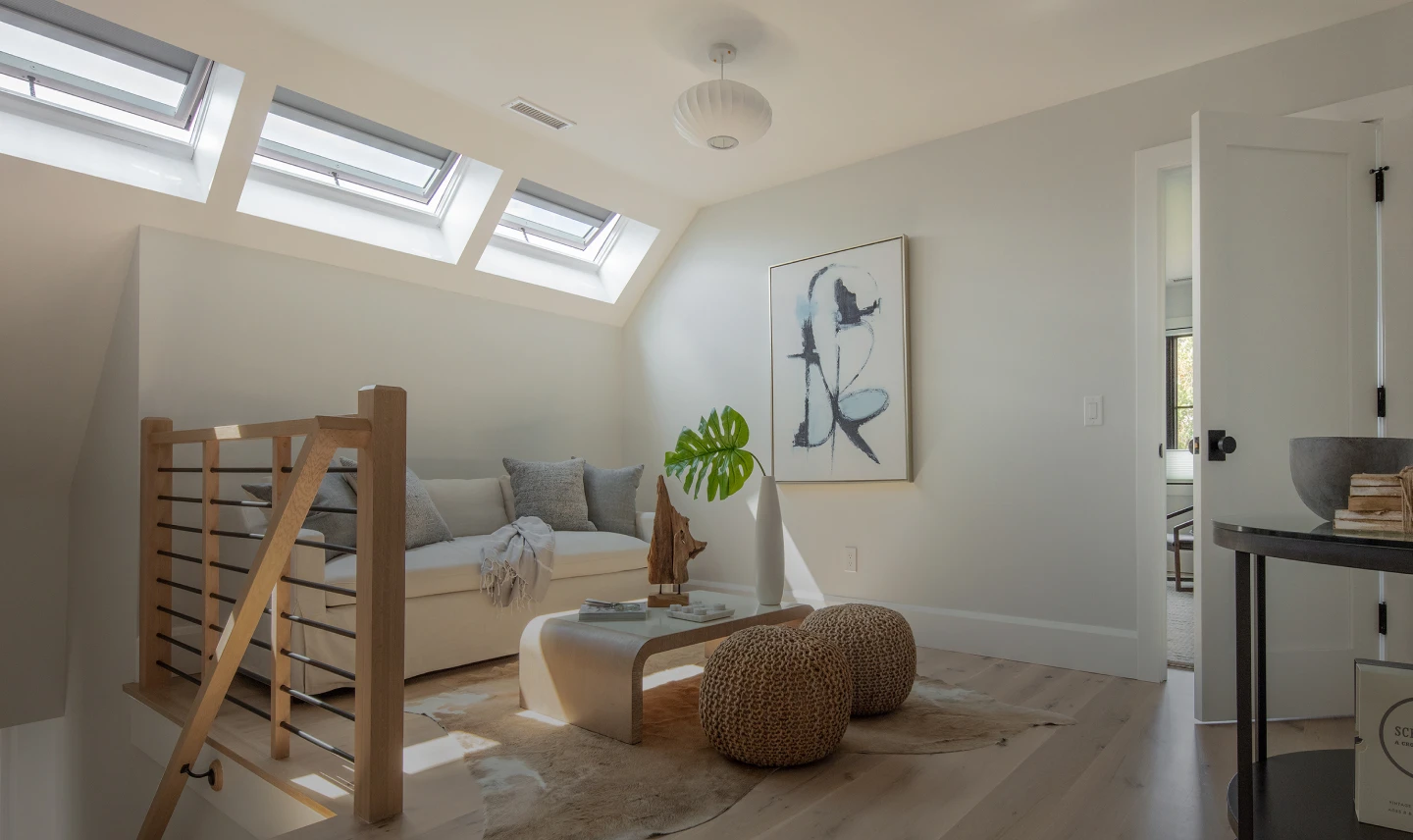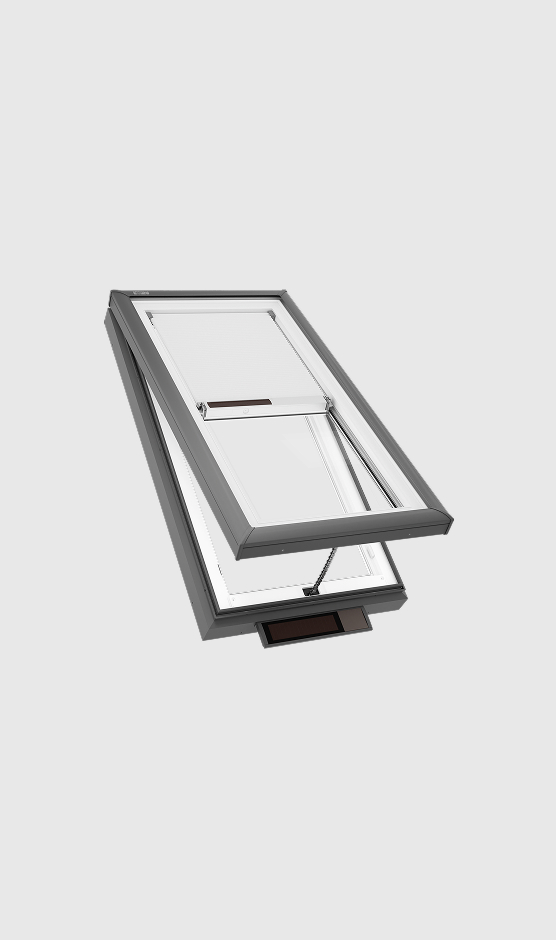
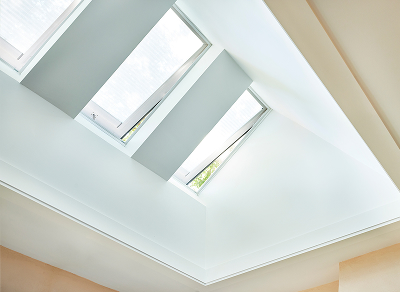
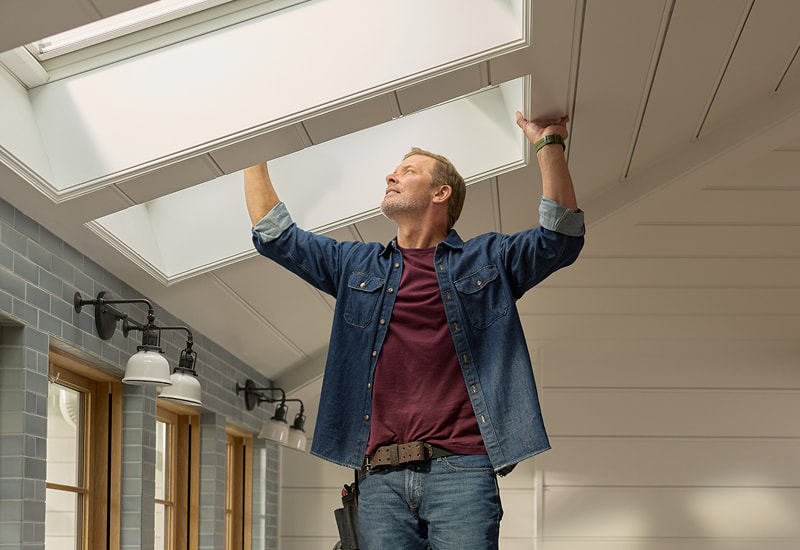

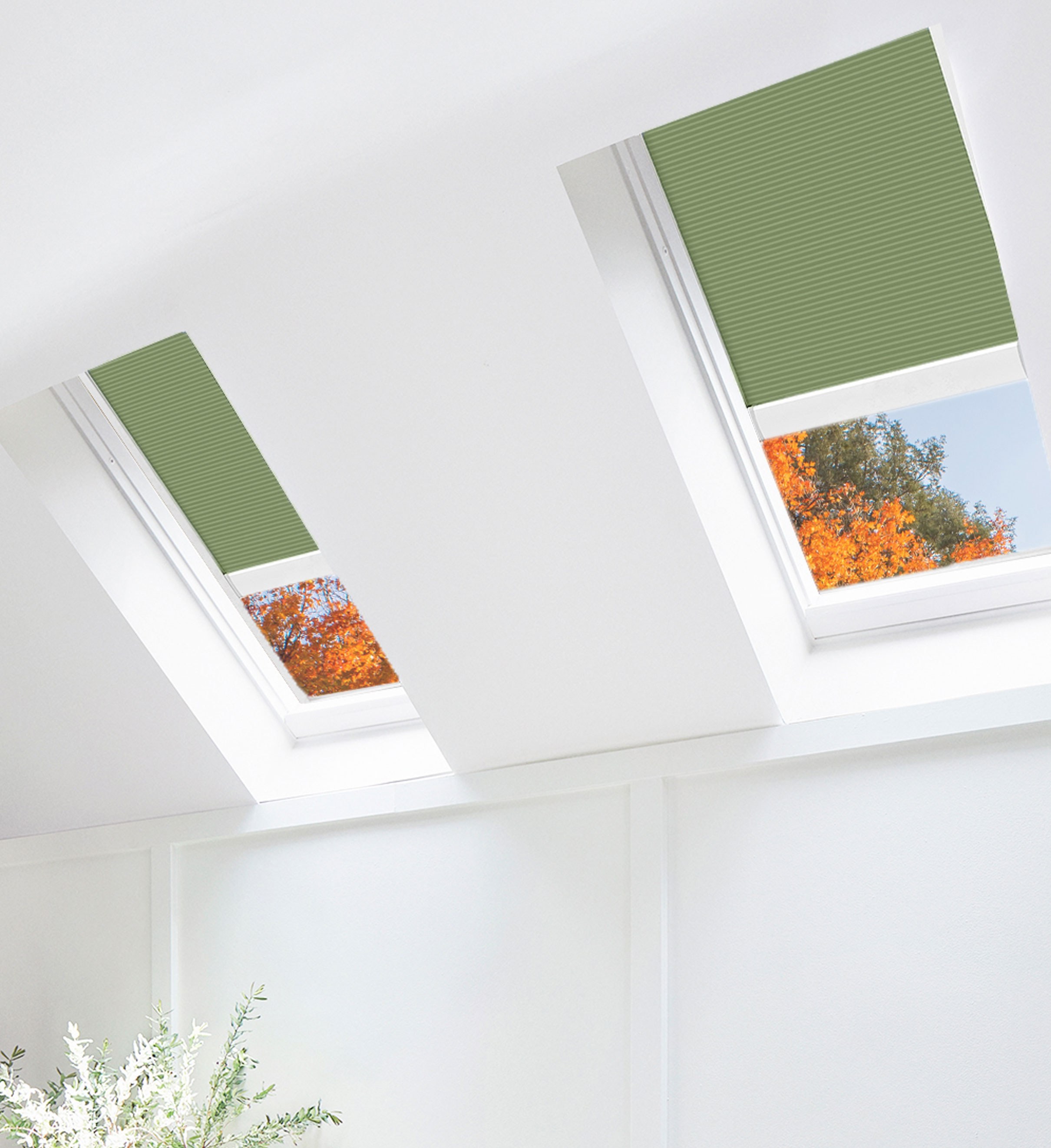
Fall brings cooler weather and shorter days, making home heating and lighting efficiency a top priority. Modern energy efficient skylights, like VELUX skylights, help keep your living spaces cozy. They do so by welcoming in natural daylight and warmth while lightening the load on your electric system. Upgrading aging skylights to modern ones also significantly reduces chilly autumn drafts with their improved insulation. Pairing skylights with solar-powered shades and smart control options — like we’ve done with VELUX Skylight Systems — adds an extra protective layer of insulation to keep your home comfortable all season long.
Autumn is the Ideal Season to Focus on Skylights and Energy Efficiency
As summer’s warm weather comes to an end, preparing your skylights before winter arrives helps prevent unnecessary heat loss and stabilize indoor temperatures. That means autumn is a great time to consider the energy efficiency of your existing skylights and take steps to help improve it.
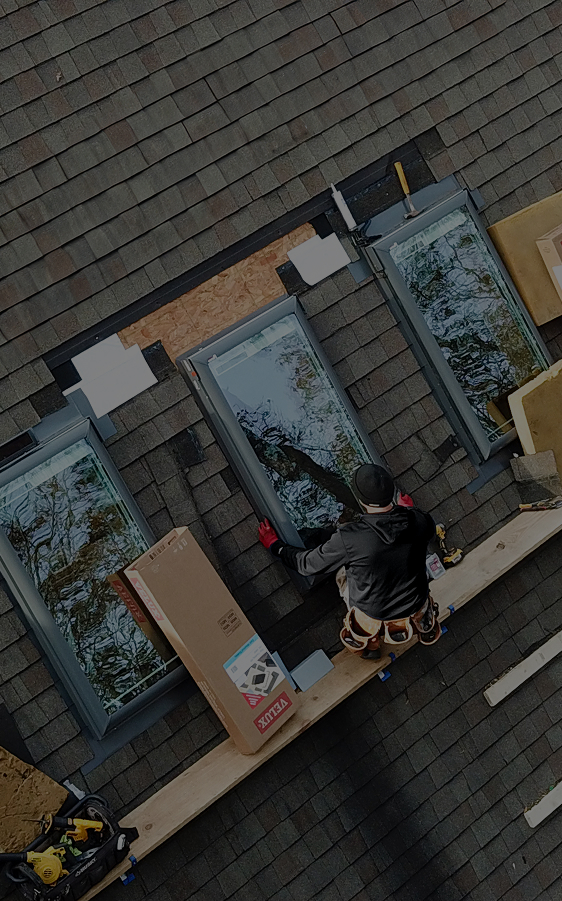
One way to improve a skylight’s energy efficiency is to replace it. Units installed more than 20 years ago often have worn seals. They were also often built with single-pane glass or less efficient acrylic. So, replacing those aging units with modern skylights can drastically cut heat loss through the opening.
Modern, high-performance skylights feature advanced double-pane glass filled with argon gas and glazed with a low-emissivity (LoE) coating. All this works together to boost the energy efficiency of the skylight as the fall weather swings between high daytime temps and nighttime lows. The LoE glass coatings reflect interior heat back into a living space during cold autumn nights. During sunny fall afternoons, the same glass allows natural solar heat to warm your space for free.
Maximize Daylighting to Help Lower Your Electricity Bill this Autumn
Strategic daylighting illuminates your home with natural light. This reduces your need for electric lights as days grow shorter. So, use your skylights strategically!
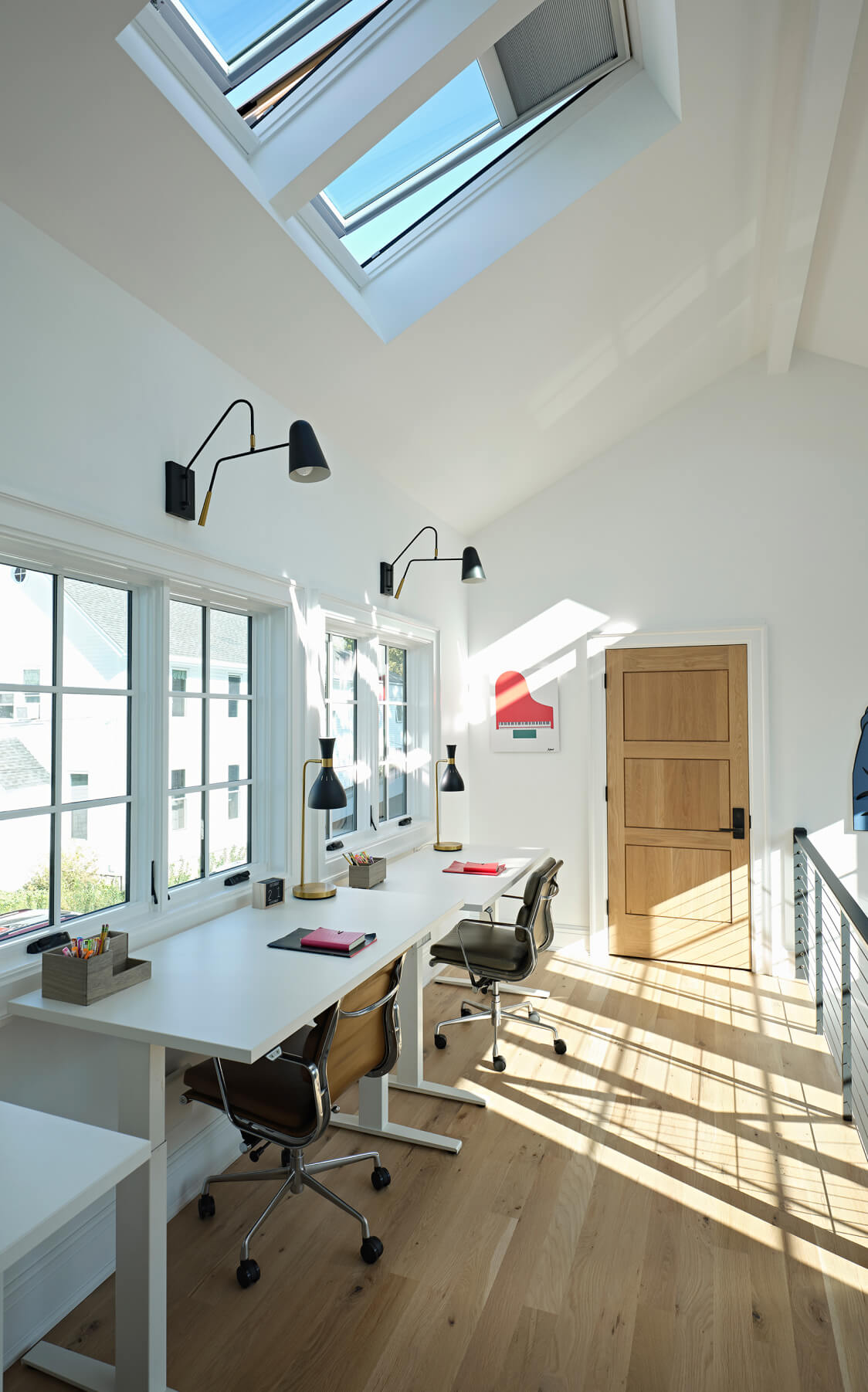
The sun sits lower in the sky during the fall, casting softer light across your roof for less time during the day. But that doesn’t faze skylights! Because of their position on the roof, skylights capture up to twice the daylight of vertical windows of the same size. According to residential lighting research, increasing natural light in a home reduces artificial lighting requirements by 16-20%.
Tips to maximize daylighting through your skylights this fall:
- Keep your skylight glass clean from falling leaves, dust, and roof debris.
- Open your skylight shades fully during peak daylight hours (10:00 AM and 3:00 PM).
- Position primary seating areas below skylight shafts.
Take Advantage of Crisp Autumn Air with Passive Ventilation
Passive ventilation removes stale indoor moisture and pollutants naturally without consuming electricity. And passive ventilation is the result of open venting skylights!
When your windows stay closed, your home accumulates indoor air pollutants rapidly. Cooking, hot showers, and home heating create stale air and humidity daily, which can make your home feel stuffy and uncomfortably warm. Opening venting skylights releases this warm, buoyant air through the roof. If you open your facade windows at the same time, you create a natural chimney effect. This is where fresh outdoor air cycles in while the old, stale air escapes.
A ventilation study conducted by Group 14 evaluated homes across nine major climate zones in the United States. It found that venting skylights consistently reduced household cooling and ventilation expenses. Mechanical ventilation systems, like standard exhaust fans and air conditioners, did not generate these energy savings. Opening your skylights for just 10 minutes during crisp fall mornings refreshes your indoor air, removing pollutants, odors, and humidity without over-cooling your home or using electricity.
What’s That Water: Seasonal Skylight Condensation vs. Leaks
Interior condensation on skylight glass during the autumn season is normal. While it may look scary at first, condensation actually indicates an airtight, energy-efficient home rather than a leak.
As we’ve talked about, there’s a lot of fluctuation in temperature during fall. Condensation happens when outdoor temps drop sharply while indoor air remains warm and humid. Water vapor condenses into liquid droplets when warm, moist indoor air touches cool glass surfaces, like your skylights.
How to Distinguish Condensation from a Leak
You can identify the cause of surface moisture you may see on your skylights by checking for these signs:
- Condensation Signs
- Moisture forms on clear, cold days when there hasn’t been any rain.
- Facade windows also show foggy glass or water beads.
- The moisture appears after cooking, showering, or running a humidifier.
- Wiping the moisture away leaves the frame dry, and water does not immediately return.
- Leak Signs
- Water drips exclusively during active rainstorms or snowmelt.
- Water stains or peeling paint appear on the drywall surrounding your skylight.
- The skylight is more than 20 years old and shows visible frame deterioration.
- Permanent discoloration or mineral streaks appear between the two panes of glass.
Quick Tips to Prevent Skylight Condensation this Autumn
- Open your skylights, of course. Release humid indoor air daily by briefly opening your skylights each morning.
- Turn on your kitchen or bathroom exhaust fan for 15 minutes after cooking or showering. But remember: the more energy efficient option is to open those skylights!
- Lower whole-home humidifier settings as outside temperatures drop.
- Keep ceiling fans running at low speeds to move air across ceiling surfaces.
Autumn Skylight Energy Efficiency Checklist
Simple seasonal maintenance can help keep your skylights working at peak thermal efficiency all autumn and into the winter. Here’s what to do to keep your skylights in shape this season:
- Inspect the exterior glass. Clear leaves, branches, and organic debris from the exterior glass and surrounding roof flashing. If you live in a colder climate, make sure to check this one off before the first snowfall.
- Clean the interior glass. To keep things clear and bright until spring, wipe the interior glass with a soft, lint-free cloth and mild soapy water.
- Check your remote controls. If the summer heat kept you from opening your skylights, take the time to confirm your remote’s batteries are good and that they’re still connected to your skylights. If your VELUX skylight and remote have become disconnected, check out our YouTube page for instructional videos on how to re-pair them.
- Program your skylight's fall schedule. With VELUX ACTIVE, you can schedule your skylights to automatically open each morning for passive ventilation and condensation prevention. You can also schedule your skylight shades to close at sunset to better insulate your ceiling against overnight heat loss. If you don’t have VELUX ACTIVE, now is the best time to upgrade to automate your skylight’s efficiency.
- Add skylight shades. If your installed skylights don’t already have shades, it’s the perfect time to add them. Shades are a key component in the improved efficiency of modern skylights, and they can help better manage your indoor comfort during the upcoming colder months.
- Schedule a professional inspection or consultation. If your skylights are over 20 old, a VELUX Design and Product Advisor can help advise you on more energy-efficient replacement skylights in a free virtual consultation. Our advisors can also connect you with a local installer for an at-home inspection and quote.